


The Thrill of Uncertainty
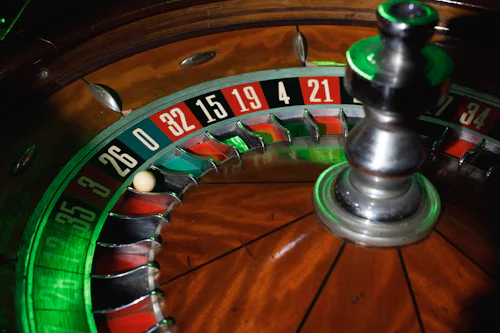
One of the primary reasons individuals engage in gambling is the thrill that comes from uncertainty. The unpredictability of outcomes—whether it’s rolling dice, spinning a roulette wheel, or drawing cards—creates an adrenaline rush that can be incredibly exhilarating. This excitement is akin to the psychological stimulation found in extreme sports or daring adventures, where the potential for both victory and loss intensifies the experience. For example, those seeking faster payouts may turn to an online casino uk fast withdrawal to enhance their gambling excitement, as the thrill of possibly winning large sums of money can evoke emotions ranging from hope to elation, drawing people back time and time again.
Moreover, the anticipation before the outcome is revealed plays a crucial role in this phenomenon. The build-up, accompanied by the heart-pounding suspense as players wait to find out if their bets have paid off, can be intoxicating. This anticipation taps into basic human instincts and desires, making gambling not just a chance to win money but an emotional rollercoaster that adheres to our innate attraction to risk and excitement.
Additionally, many people find that this thrill can serve as an escape from the mundanities of daily life. In a world that often feels monotonous, the vibrant atmosphere of a casino, with its flashing lights, sounds of winning, and the vibrant presence of other players, provides a stark contrast to everyday routines. This escapism can become a significant factor, with individuals returning to the casino scene to experience that high once more.
The Social Aspect of Gambling
Gambling often serves as a communal activity, where individuals gather to share the experience with others. This social component can significantly enhance the enjoyment of gambling, as the camaraderie between players can lead to lasting friendships and memorable experiences. Casinos can become vibrant social hubs, where people from different backgrounds come together with a common goal: to experience the excitement of the game together. This sense of community can be a compelling draw for many, fostering a sense of belonging in a world that can sometimes feel isolating.
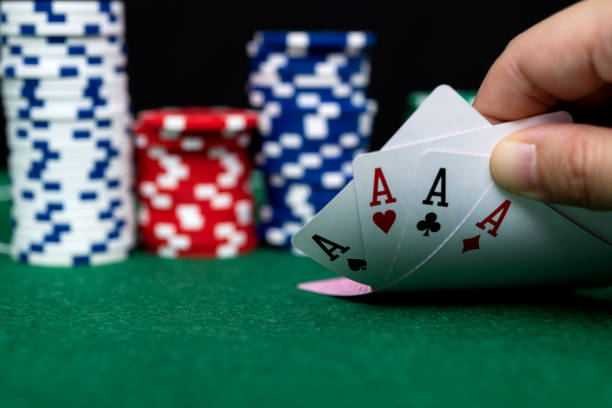
Furthermore, social gambling can also provide an avenue for competition. Whether it’s a friendly game of poker among friends or a competitive blackjack table at a casino, the desire to outwit others adds an extra layer of depth to the gambling experience. Engaging in competition not only fuels the adrenaline but also allows for social bonding over shared victories and losses. This dynamic can create a unique atmosphere where players cheer each other on, enhancing the overall experience.
Additionally, the influence of social media on gambling cannot be overlooked. In today’s digital age, sharing wins, strategies, and experiences online has made gambling activities more visible. Individuals are keen to showcase their achievements and engage in conversations about various games. This visibility cultivates enthusiasm and can encourage others to participate, illustrating how social interaction can lead to a broader gambling culture that transcends physical locations.
Addiction and the Psychological Factors
Addiction is a significant aspect of gambling that can profoundly affect individuals and their surroundings. The potential for addiction stems from the chemical reactions triggered in the brain, similar to other forms of addiction. When a person experiences a win, their brain releases dopamine, often referred to as the “feel-good” hormone, creating feelings of pleasure and reinforcing the desire to keep gambling. Over time, this can lead to behaviors where individuals chase losses, often diminishing their overall well-being.
Psychological factors are also at play, as some individuals may gamble to escape from underlying problems such as anxiety, depression, or stress. The casino environment can provide a temporary refuge from reality, allowing individuals to immerse themselves in a world where they feel in control. However, this can lead to a detrimental cycle, where gambling provides short-term relief but results in long-term consequences, including financial hardship and strained relationships.
Recognizing the signs of gambling addiction is crucial, as awareness can lead to timely interventions. Many casinos and gambling establishments now promote responsible gambling initiatives, offering resources and support for those who may need help. This recognition of addiction emphasizes the need for a balanced approach to gambling, ensuring that while individuals seek enjoyment and excitement, they remain aware of the potential pitfalls.
Economic Impact of Gambling
The gambling industry contributes significantly to local and national economies. Casinos create jobs, stimulate tourism, and generate tax revenue that can be used for public services. The employment opportunities range from gaming staff and hospitality positions to marketing and management roles, providing livelihoods for thousands. In regions with established casinos, the economic benefits can be substantial, fueling growth and development in surrounding areas.
Additionally, tax revenues from gambling can provide critical funding for community projects, infrastructure, and education. Many governments utilize this funding to enhance public amenities, thereby benefiting the wider population. This interconnectedness between gambling and economic health illustrates that while gambling can be a source of risk for individuals, it can simultaneously serve as a catalyst for regional financial prosperity.
However, the economic impact is not without its controversies. Opponents of gambling often argue that the societal costs, including increased crime rates and the potential for addiction, can outweigh the financial benefits. This ongoing debate highlights the complex nature of gambling’s role in society, demanding thoughtful consideration from policymakers and community leaders on how best to approach regulation and support for those affected.
Understanding the Casino Experience
The casino experience is carefully designed to captivate and engage visitors, creating an atmosphere that encourages participation. From the welcoming sounds of slot machines to the vibrant colors and luxurious decor, every element of a casino is crafted to enhance the player’s experience. The layout is strategically planned to maximize exposure to various games while keeping players engaged and entertained. This environment plays a critical role in attracting new and returning customers alike, ensuring that they feel a part of something larger and more exhilarating.
Moreover, casinos often implement promotions, bonuses, and loyalty programs to encourage players to spend more time and money within their establishments. These incentives can create a sense of loyalty among patrons, making them feel valued and appreciated. This marketing strategy not only boosts profits for the casino but also fosters a community of repeat visitors who share in the excitement of the games.
Lastly, with the rise of online gambling, the casino experience has been transformed. Digital platforms now offer a wide array of games, allowing players to enjoy the thrill from the comfort of their homes. This shift illustrates how the gambling phenomenon continues to evolve, responding to changing consumer preferences and technological advancements. As the landscape of gambling changes, understanding the underlying motivations and behaviors of players remains essential to navigating this complex world.